
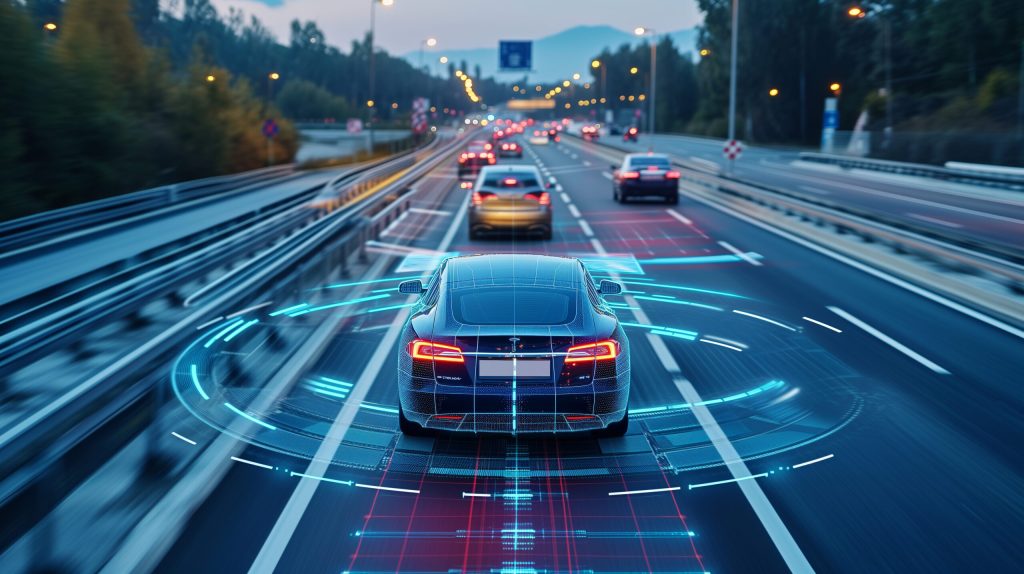
AI Auto-Piloted Electric Cars: How Self-Driving EVs Are Changing the Future of Transportation
AI Auto-Piloted Electric Cars: The Future of Driving Has Already Begun
The automotive industry is undergoing the biggest technological revolution since the invention of the car. The combination of Electric Vehicles (EVs) and Artificial Intelligence (AI) has given birth to a new era: AI Auto-Piloted Electric Cars. These futuristic vehicles are no longer just concepts. They are real, fast-growing, and becoming a major part of global transportation.
In 2025, companies like Tesla, Waymo, Mercedes-Benz, BYD, Hyundai, and Xiaomi are pushing the boundaries of autonomy and electric mobility. With advanced sensors, neural networks, and real-time driving intelligence, AI-powered EVs are now capable of navigating complex roads, avoiding collisions, optimizing energy consumption, and offering a safer, smoother driving experience than ever before.
What Are AI Auto-Piloted Electric Cars?
AI Auto-Piloted Electric Cars are EVs equipped with intelligent software that can make driving decisions without human input. These systems rely on:
Machine learning
Computer vision
LIDAR, RADAR, and ultrasonic sensors
Real-time traffic analysis
High-definition mapping
Neural network-based decision making
Together, these technologies allow cars to:
Drive autonomously
Detect obstacles and pedestrians
Switch lanes
Park themselves
Respond to traffic lights
Anticipate road hazards
AI doesn’t just help the car run — it thinks, learns, and improves over time.
Why Electric Cars Are Perfect for AI Autopilot
Electric vehicles are naturally suited for AI automation because they have:
1. Fully Digital Architecture
Unlike fuel cars, EVs are built like modern computers, making it easier to integrate advanced AI systems.
2. Instant Torque & Smooth Control
Perfect for precision driving in autonomous mode.
3. Over-the-Air (OTA) Updates
Brands like Tesla and BMW update their autopilot features through software, improving the car long after purchase.
4. Energy Efficiency Optimization
AI helps extend battery life by choosing the best routes, speeds, and regenerative braking patterns.
How AI Makes Self-Driving Possible
– Cameras for Vision
Detects lanes, signs, cars, cyclists, and pedestrians.
– LIDAR & RADAR for Depth
Measures distance and identifies objects even in bad weather.
– Neural Networks
Analyze millions of real-world driving scenarios.
-Real-Time Processing
AI reacts in milliseconds—faster than any human.
– HD Maps & GPS Systems
Provide the car with a detailed understanding of the environment.
These technologies work together to enable Level 2 to Level 4 autonomy, and many companies are now testing Level 5 — fully driverless cars.
Top Companies Leading the AI Auto-Pilot Revolution
1. Tesla (Autopilot & Full Self-Driving)
Tesla’s system uses a camera-only approach powered by “Tesla Vision.” The cars can navigate highways, switch lanes, park automatically, and recognize traffic lights.
2. Waymo (Google’s Self-Driving Division)
Operates fully driverless robotaxi services in the USA.
3. Mercedes-Benz (Drive Pilot)
First Level 3 certified autopilot system available for public use.
4. BYD & Huawei
China’s EV giants are experimenting with LIDAR-based Level 4 systems.
5. Hyundai & Kia
Developing smart highways and intelligent cruise systems for EVs.
6. Xiaomi SU7 & Other Tech-Driven EV Brands
Blending smartphone-grade AI into electric cars.
Real-World Uses of AI Auto-Piloted EVs
AI-powered autonomous EVs are already being used in:
✔ Ride-Hailing Services
Waymo, Cruise, and Baidu run fully autonomous taxis in some cities.
✔ Delivery Robots & Vans
AI EVs deliver groceries, packages, and medicines autonomously.
✔ Smart City Transportation
Automated shuttles run on fixed, low-speed routes.
✔ Highway Autopilot
Cars handle long-distance drives with minimal driver input.
Safety Features That Make AI Cars More Reliable
AI autonomous EVs come with advanced safety tools such as:
Collision avoidance
Emergency braking
Blind-spot detection
Drowsiness monitoring
Lane-keeping assistance
Environmental awareness
AI reduces human errors — which cause over 90% of road accidents.
Benefits of AI Auto-Piloted Electric Cars
1. Fewer Accidents
AI reacts faster and stays alert 24/7.
2. Lower Carbon Emissions
Electric cars help fight climate change.
3. Stress-Free Driving
No need to handle traffic, parking, or speed control.
4. Accessible Transportation
Helps elderly, disabled, and non-drivers move independently.
5. Lower Transportation Costs
Robotaxis reduce the need for personal cars.
6. Better Traffic Flow
AI cars communicate with each other to reduce jams.
Challenges to Overcome
Even with huge progress, some challenges remain:
1. Legal Regulations
Most countries still lack laws for full self-driving.
2. Weather Sensitivity
Heavy rain, fog, or snow can reduce sensor accuracy.
3. Ethical Decisions
AI must decide how to react in unavoidable accident scenarios.
4. Cybersecurity
Cars need protection from hacking attempts.
5. Public Trust
Many people still hesitate to trust a driverless system.
The Future of AI Auto-Piloted Electric Cars
The next decade will bring massive advancements:
Level 5 fully autonomous cars worldwide
Smart highways built specifically for AI EVs
Cars that communicate with smart traffic lights
Zero-accident autonomous zones
AI-driven fleet taxis replacing traditional drivers
Cars that learn your habits, routes, and driving style
By 2035, AI auto-piloted electric cars may become the default mode of transportation in many major cities