

AR and Smart Glasses: The Future of Hands-Free Technology
Augmented Reality (AR) and smart glasses are no longer concepts limited to science fiction movies. In recent years, they have rapidly evolved into practical, powerful, and stylish gadgets that are transforming how we interact with the digital world. From real-time navigation to AI-powered assistance, AR and smart glasses are shaping the next era of personal technology.
What Are AR and Smart Glasses?
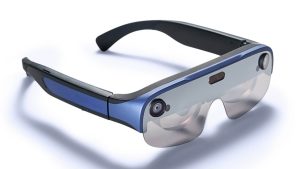
Smart glasses are wearable devices that look like regular eyewear but include advanced technology such as displays, cameras, microphones, sensors, and wireless connectivity.
AR glasses, a subset of smart glasses, overlay digital information—such as text, images, or 3D objects—onto the real world, enhancing what the user sees rather than replacing reality.
Unlike virtual reality (VR), which immerses users in a fully digital environment, AR enhances the real world while allowing users to stay aware of their surroundings.
Why AR and Smart Glasses Are Gaining Popularity
Several technological advancements have pushed AR and smart glasses into the spotlight:
-
Artificial Intelligence integration for voice commands, image recognition, and real-time assistance
-
Smaller, lighter hardware making glasses comfortable for daily use
-
Improved battery life and displays with higher brightness and clarity
-
5G and edge computing, enabling faster and smoother experiences
Major tech companies are now investing heavily in this space, signaling that smart glasses are moving toward mainstream adoption.
Key Features of Modern Smart Glasses
Today’s AR and smart glasses come with impressive capabilities, including:
-
Real-time navigation displayed directly in the user’s field of view
-
Live language translation, useful for travel and global communication
-
Hands-free calls, messaging, and notifications
-
Health and fitness tracking, such as posture correction and activity monitoring
-
Camera and video recording for content creators and professionals
-
AI assistants that respond to voice commands instantly
These features make smart glasses a powerful alternative to constantly checking smartphones.
Use Cases Across Industries
AR and smart glasses are not limited to consumers—they are transforming multiple industries:
Healthcare
Doctors use AR glasses for remote consultations, surgery guidance, and patient data visualization.
Education
Students can experience interactive lessons, 3D models, and virtual labs, making learning more engaging.
Manufacturing and Engineering
Workers receive real-time instructions, safety alerts, and technical data directly in their line of sight.
Retail and Fashion
Virtual try-ons and immersive shopping experiences are enhancing customer engagement.
Travel and Tourism
Smart glasses offer live directions, landmark information, and instant translations.
Challenges and Limitations
Despite rapid growth, AR and smart glasses still face challenges:
-
High costs for advanced models
-
Privacy concerns related to cameras and data collection
-
Battery and heat management issues
-
Social acceptance, as people adjust to wearing tech-enabled eyewear
However, ongoing innovation is steadily addressing these concerns.
The Future of AR and Smart Glasses
The future of AR and smart glasses looks promising. In the coming years, we can expect:
-
Sleeker designs that look indistinguishable from normal glasses
-
Deeper AI integration for predictive and personalized experiences
-
Wider adoption in workplaces and everyday life
-
Reduced dependence on smartphones as smart glasses take over daily tasks
As technology matures, smart glasses may become as common as smartphones are today.
Conclusion
AR and smart glasses represent a major shift toward hands-free, immersive, and intelligent computing. By blending the digital and physical worlds seamlessly, they are redefining communication, productivity, and entertainment. While challenges remain, the momentum behind this technology suggests that AR and smart glasses are not just a trend—they are the future.