
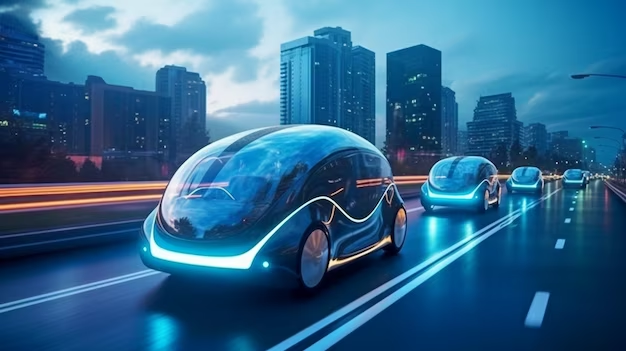
Electric Cars Powered by AI: The Future of Smart & Autonomous Mobility (2025 Edition)
How Artificial Intelligence is transforming EVs into intelligent, self-driving, and energy-efficient machines
Electric Vehicles (EVs) are no longer just eco-friendly alternatives to petrol cars. With the rapid rise of Artificial Intelligence (AI), electric cars are becoming smarter, safer, and more efficient than ever. In 2025, companies like Tesla, BYD, Mercedes, Rivian, Nio, and Hyundai are integrating powerful AI chips, sensors, and neural networks into their EVs — turning cars into intelligent machines that can drive themselves, learn your habits, optimize battery use, and prevent accidents.
The combination of electric mobility + artificial intelligence is shaping the future of transportation worldwide.
Why AI is the Game Changer for Electric Cars
AI does more than just help cars drive automatically. It improves almost every part of the EV experience, including:

Driving safety
Battery performance
Navigation and traffic prediction
Charging management
Self-parking and autopilot
Energy efficiency
EVs equipped with AI can think, analyze, and make decisions in real time. This is what makes them the “smartphones on wheels”.
How AI Works Inside Electric Cars
AI in EVs depends on four major technologies:
1. AI Chips & NPUs
Modern cars include powerful processors like:
Tesla FSD Chip
NVIDIA Drive Orin
Qualcomm Snapdragon Ride
Huawei MDC chips
These handle trillions of operations per second to process driving data, sensors, and road objects.
2. Sensors & Cameras
AI cars use:
360-degree cameras
LIDAR
Radar
Ultrasonic sensors
Infrared sensors
These tools help cars “see” the environment, detect humans, traffic signals, and obstacles.
3. Neural Networks
The AI brain analyzes:
road lanes
traffic patterns
pedestrian behavior
weather conditions
potential dangers
Cars learn continuously from millions of real-world driving miles.
4. Connected Cloud Systems
AI EVs connect to cloud networks for:
maps
updates
vehicle health checks
live traffic data
This ensures the system always improves over time.
Top AI Features in Modern Electric Cars
1. Autopilot & Self-Driving Modes
AI enables semi-autonomous or fully autonomous driving. Cars can:
steer automatically
change lanes
maintain speed
detect blind spots
avoid crashes
Tesla, Waymo, and Mercedes are leading the charge.
2. Intelligent Battery Management
One of the biggest challenges for EVs is battery life, but AI helps by:
controlling temperature
optimizing charging cycles
predicting battery degradation
finding closest charging stations
This increases range and lifespan.
3. Smart Navigation & Traffic Prediction
AI-powered navigation systems use real-time data to:
avoid traffic
pick the fastest route
calculate energy usage
suggest charging stops
It’s smarter than traditional GPS.
4. Self-Parking & Summon Features
Cars can now:
park themselves
reverse without human input
navigate tight spaces
drive to you with the “Smart Summon” feature (like Tesla)
Perfect for malls, airports, or narrow roads.
5. Driver Monitoring Systems
AI cameras track:
eye movements
drowsiness
distraction
unsafe driving behavior
The car can warn the driver or slow down automatically.
6. Predictive Maintenance
AI identifies issues before they become big problems.
It monitors:
battery health
brake wear
motor temperature
electronics
This reduces repair costs and increases safety.
AI-Powered Electric Cars Leading the Market (2025)
1. Tesla Model 3 Highland / Model S AI Upgrade
The world leader in autonomous driving, powered by Tesla’s FSD v12 AI.
2. BYD Seal & BYD Atto 4
AI-enhanced battery systems and smart driving tools.
3. Mercedes-Benz EQS
Features Level-3 self-driving, lane assist, and predictive AI systems.
4. NIO ET7
A powerful AI chip (Adam Supercomputer) offering smart autonomous features.
5. Hyundai Ioniq 7
AI-based parking, smart route planning, and energy prediction.
Benefits of AI in Electric Cars
Safer Driving
AI predicts accidents before they happen.
– More Efficient Energy Use
AI maximizes range by managing battery power.
– Lower Maintenance Cost
Predictive diagnostics reduce repair bills.
– Better User Experience
From voice assistants to personalized settings.
– Eco-Friendly Future
Autonomous EVs reduce emissions and traffic congestion.
The Future of AI Electric Cars (2026–2035)
Expect to see major leaps:
Fully driverless taxis
AI-powered delivery robots
Smart charging grids
Vehicle-to-home (V2H) energy systems
Flying electric vehicles (eVTOL) with AI pilots
AI-managed traffic for entire cities
Cars that talk to each other (V2V communication)
In short, AI will power the future of clean, smart, and connected transportation.
Final Thoughts
Electric cars powered by AI represent one of the biggest revolutions in modern transportation. With smarter navigation, safer driving, efficient battery use, and self-driving capabilities, AI-powered EVs will define the future of mobility. In the next decade, the combination of electric energy and artificial intelligence will reshape cities, reduce pollution, and create a more connected world.
for the further information about us contact us in Facebook team
our website for other related topic
Robot Assistants at Home: The Future of Smart Living in 2025 & Beyond